One hundred years ago, in May 1926, an international team set out from Svalbard to reach the North Pole, one of the last uncharted places on Earth. Flying over the geographic pole and continuing on to Alaska, they completed what would become the first verified transpolar flight in history.
The aircraft was the N1 Norge, and the mission was led by the renowned explorers Roald Amundsen, Umberto Nobile, and Lincoln Ellsworth, supported by a crew of aeronauts from Norway, Italy, the United States, and Sweden.
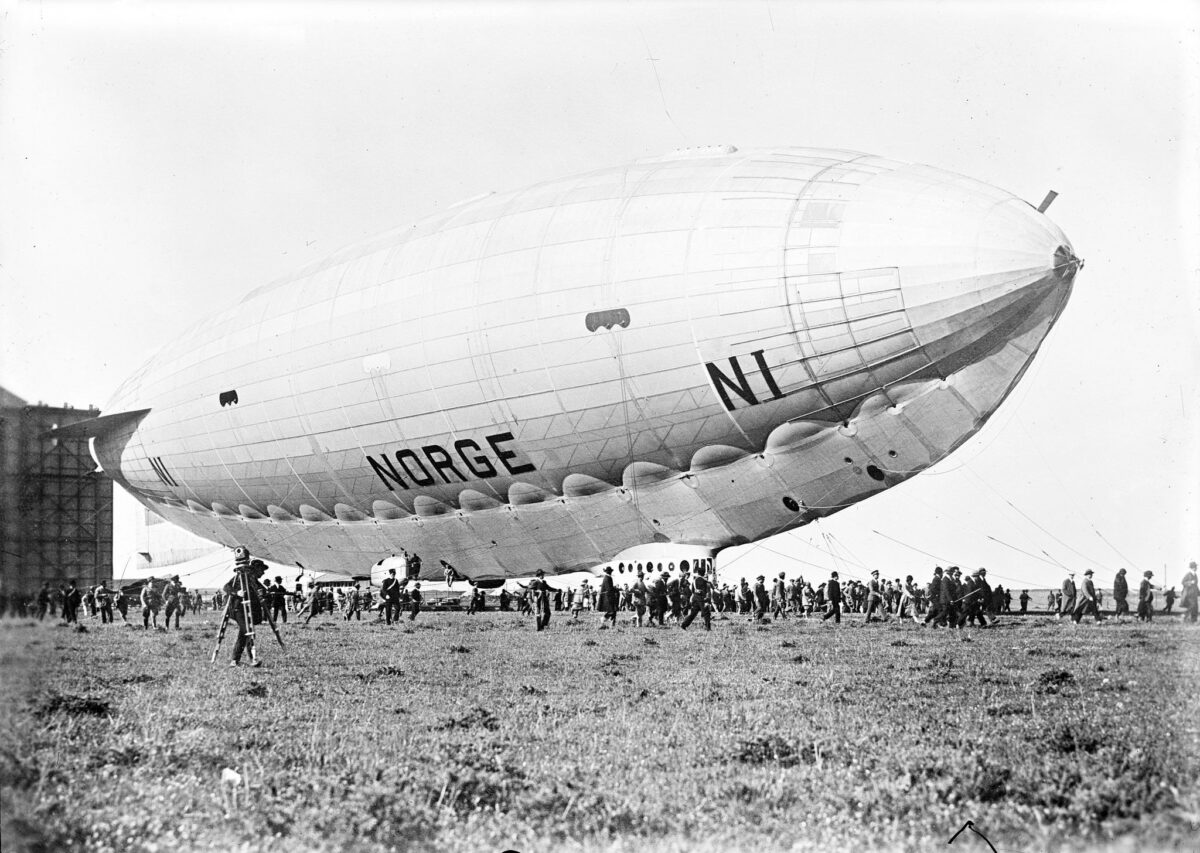
At the time, much of the Arctic remained a blank space on the map. Expeditions had tried and failed to reach the Pole for decades. What made Norge different was not just the ambition of the team, but the design. The semi-rigid, lighter-than-air aircraft could travel long distances, carry meaningful payloads, and operate without reliance on runways or fixed infrastructure. The mission demonstrated that sustained, controlled flight over remote regions was possible, and thereby opening the door to a new way of exploring the planet.
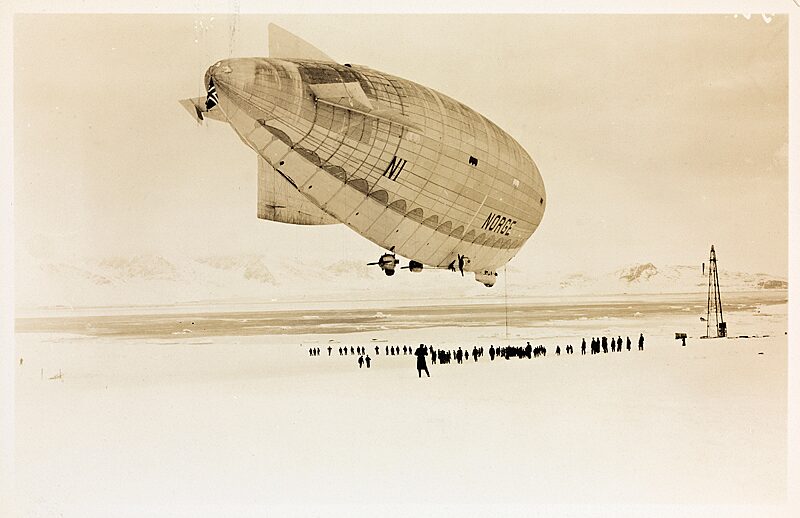
From a power-driven airship transporting people in lower airspace, to unmanned automated, wind-driven HAPS delivering connectivity and real-time observation from the stratosphere
A century later, a new generation of lighter-than-air aircraft has come to life, with a similar form factor to the Norge, but with a radically different design, technology and concept of operations. Norge was a semi-rigid, piloted “airship” transporting passengers from A to B, relying on its propulsion to maintain flight safety. While an inspiration, it is very different than what we build at Sceye.
Sceye’s high-altitude platform is, at its core, an unmanned free balloon – with several enhanced capabilities. Designed to stay aloft for months and eventually years, Sceye leverages global wind currents and relies on passive buoyancy to remain aloft. Building on this inherently safe, passive profile, the system integrates an assistive navigation mechanism that enables the platform to counter winds, maintain position over a designated area for extended periods, or transition between wind currents to sail efficiently across the globe. Our sophisticated navigation approach, effectively a wind-optimized choreography, is supported by advanced automation, simulation, and fleet management software. We can integrate into the airspace ecosystem through modern airspace management frameworks, leveraging the latest advancements in Unmanned Traffic Management (UTM).
Sceye’s HAPS also represent the evolution of materials science since the concept of a lighter-than-air vehicle became reality. Norge was built of strengthened aluminum covered with rubber material and filled with hydrogen. It comes as no surprise that materials have come a long way in the last hundred years. Today, Sceye’s helium-filled platforms leverage a unique material called graphene, which was only first discovered in 2004. Graphene is recognized as the thinnest, strongest, and most conductive material known (learn more here). Our hull fabric, compared to the nearest alternative used in the stratosphere, is 5X stronger relative to weight, 1,500x more gas tight, and UV and ozone resistant. That’s a long way from rubber-covered aluminum.
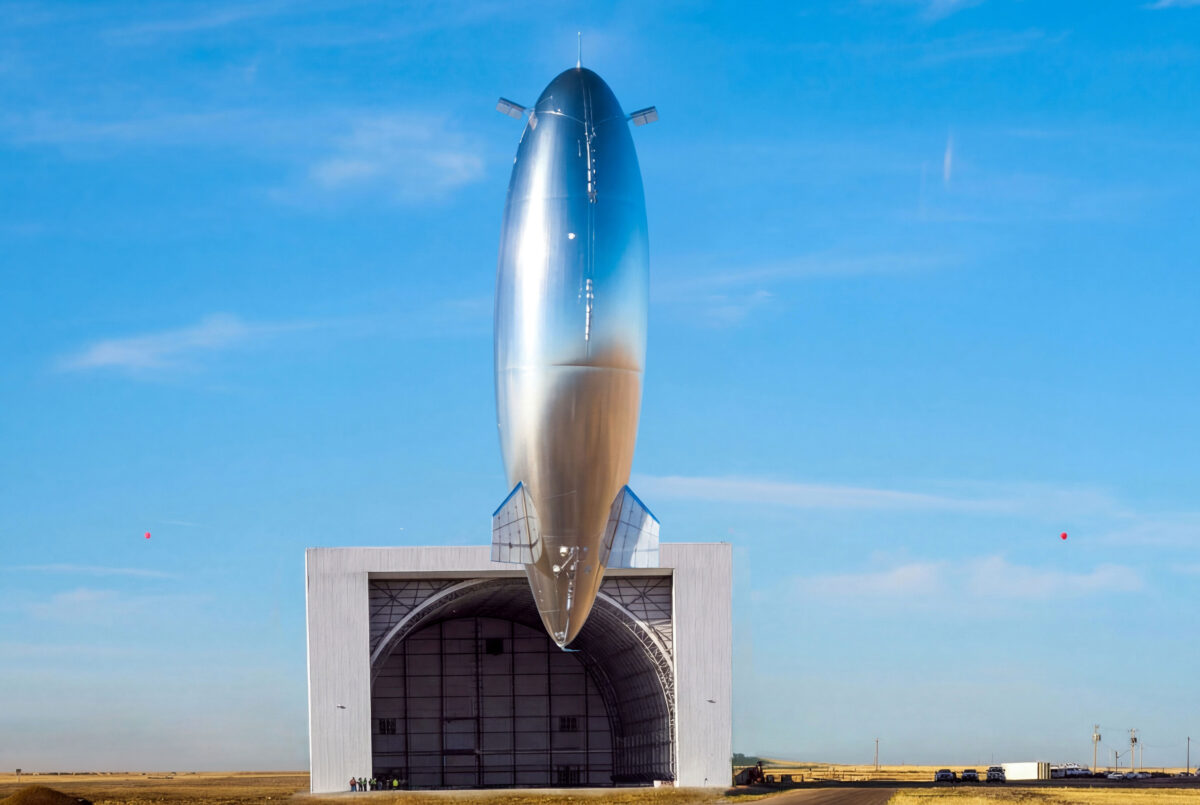
The flight of the Norge across the Arctic Ocean laid the foundation for what was to come. It proved that a new class of technology and infrastructure can reshape what’s possible. One hundred years ago, the challenge was to reach the North Pole. Today, we continue to build on that legacy to observe, connect, and protect the planet with the spirit of exploration in Sceye’s DNA.