Media Kit






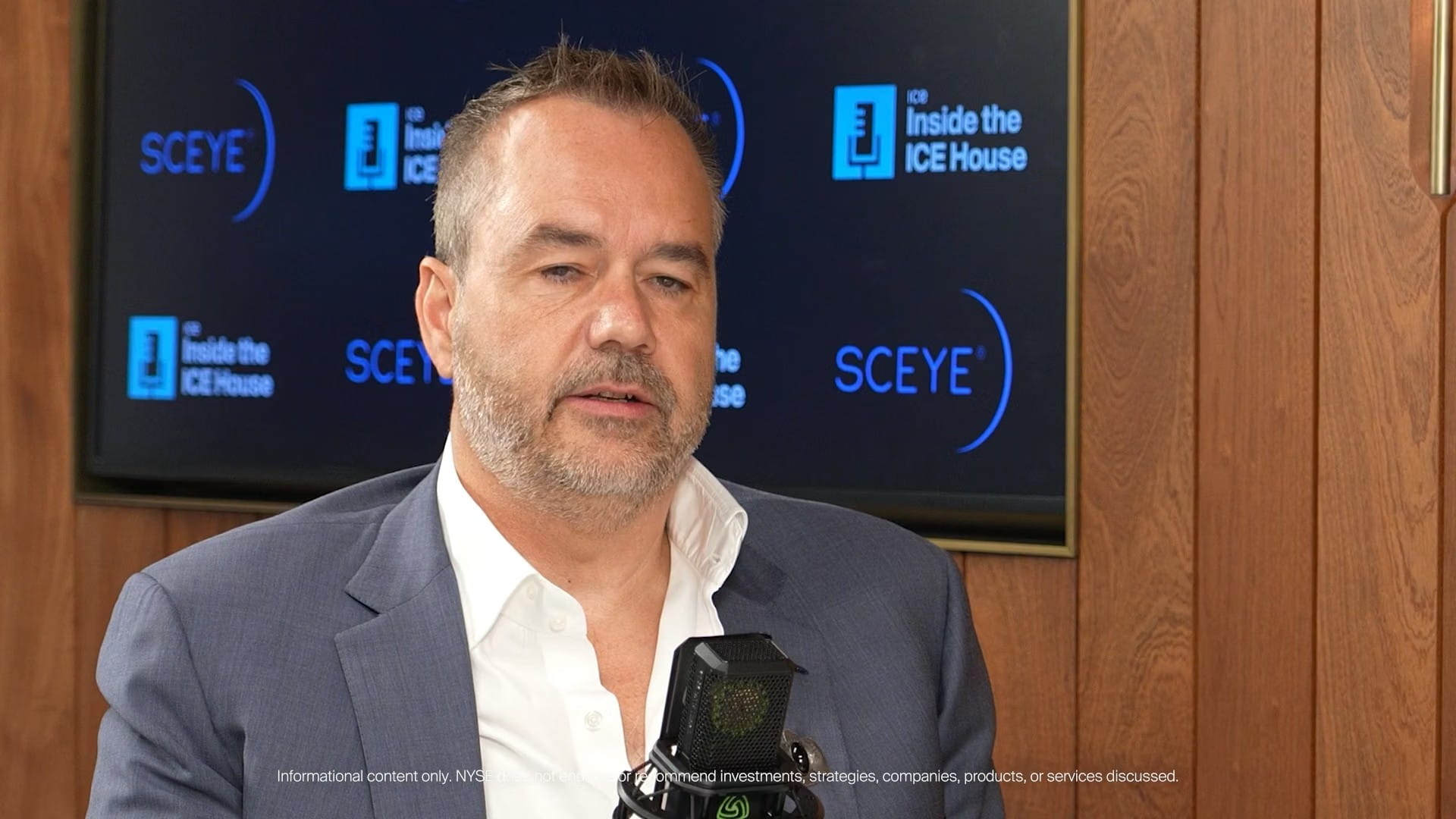



Mikkel Vestergaard Frandsen
Founder & CEO


Press contact
All media related questions should be addressed to press@sceye.com Please note that only email requests from journalists or other media professionals will receive a response.
Frequently Asked Questions
Founded in 2014, Sceye (pronounced “sky”) is an aerospace company dedicated to advancing stratospheric infrastructure to connect people and protect the planet. Our platforms operate up to 65,000 feet above Earth and can remain over an area of operation for extended periods. Sceye leads the High Altitude Platform Systems (HAPS) industry, focusing on universal connectivity and enabling ubiquitous networks and hybrid space architecture. Sceye is also passionate about climate monitoring, natural resource management, and disaster prevention and mitigation.
Learn more about our story here.
A SceyeBase is Sceye’s persistent, lighter-than-air stratospheric platform. Individually, it can remain over a target area of operation for extended periods of time, continuously delivering high-capacity, wide-area connectivity, detection, and computing services where they’re needed most. Collectively, a fleet of SceyeBases creates a new layer of infrastructure between terrestrial and satellite networks. The SceyeBase layer provides a persistent, multi-payload and multi-mission foundation to enable a ubiquitous network and hybrid space architecture.
High Altitude Platform Systems, or HAPS, are unmanned platforms that operate in the stratosphere. Unlike LEO satellites, HAPS can operate persistently over a target region for extended periods, enabling continuous coverage and real-time monitoring.
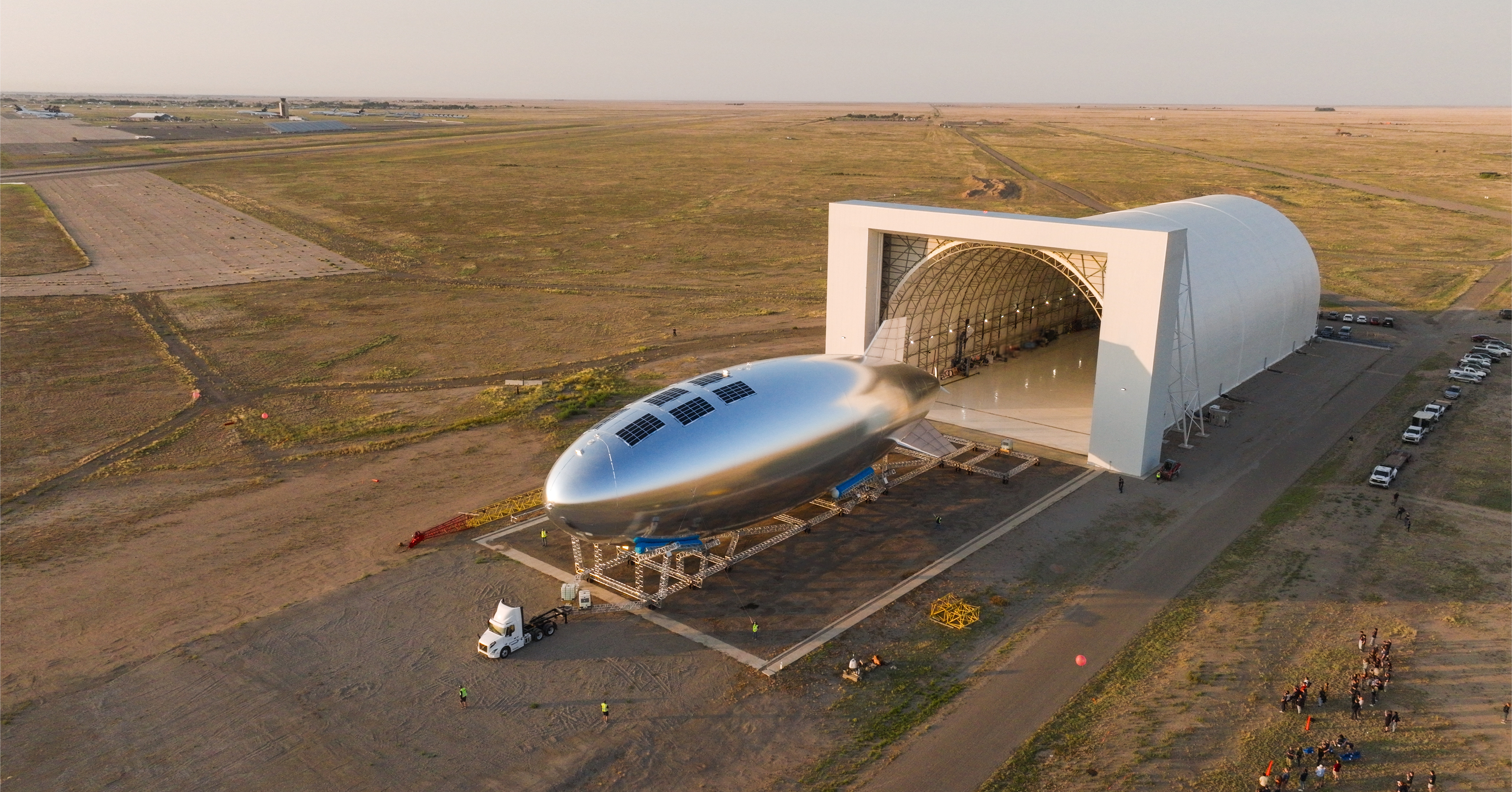
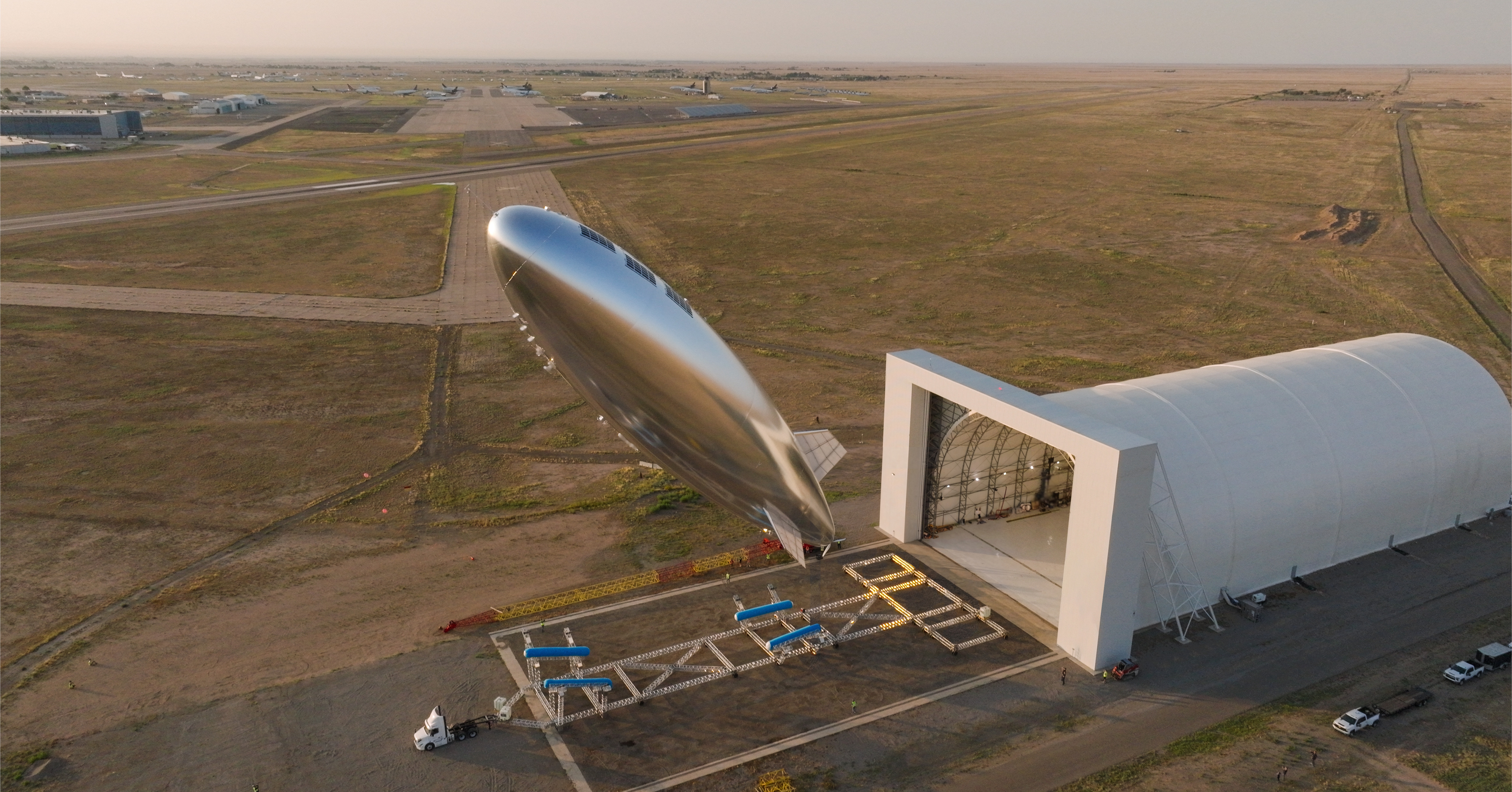
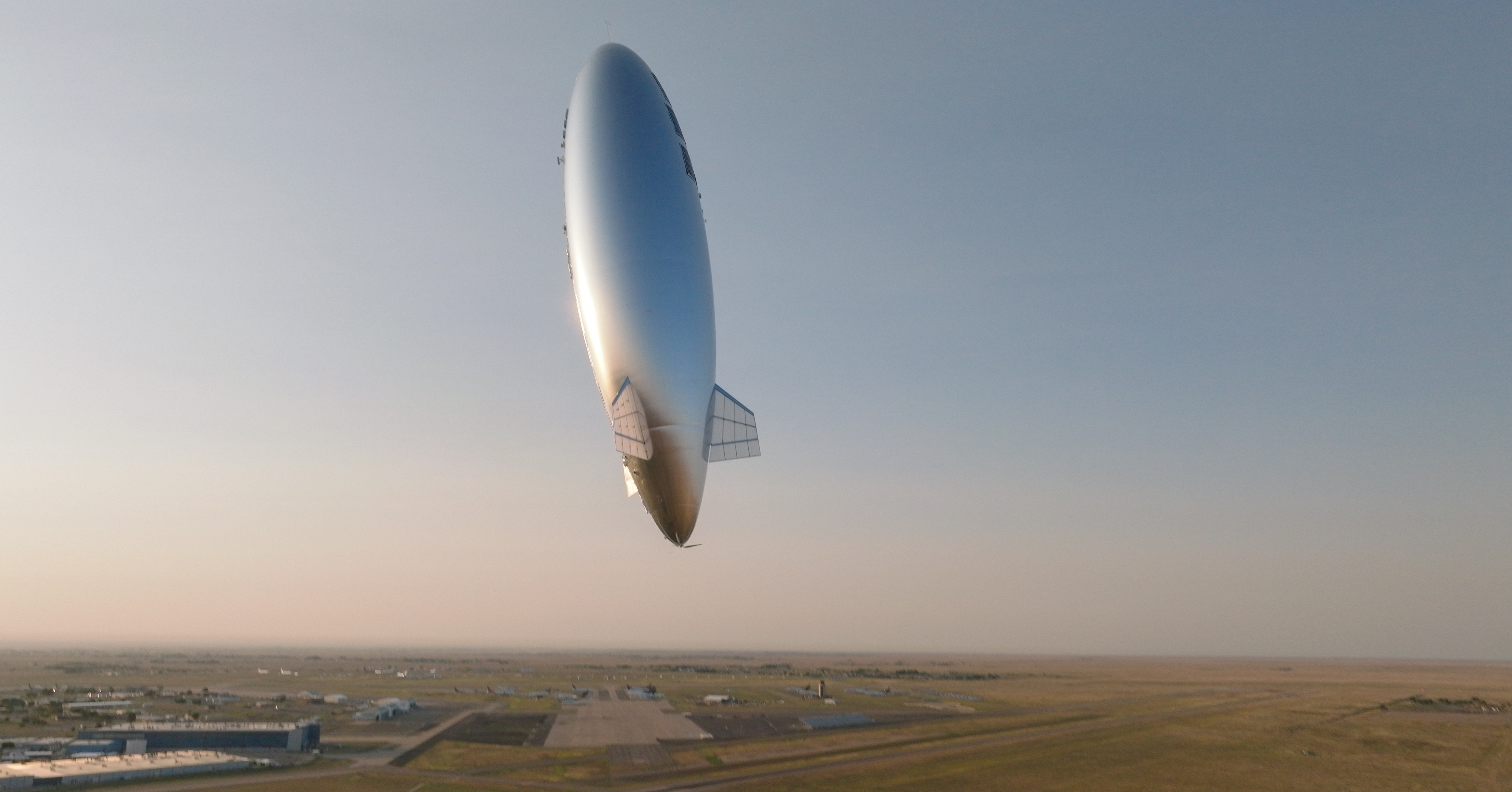
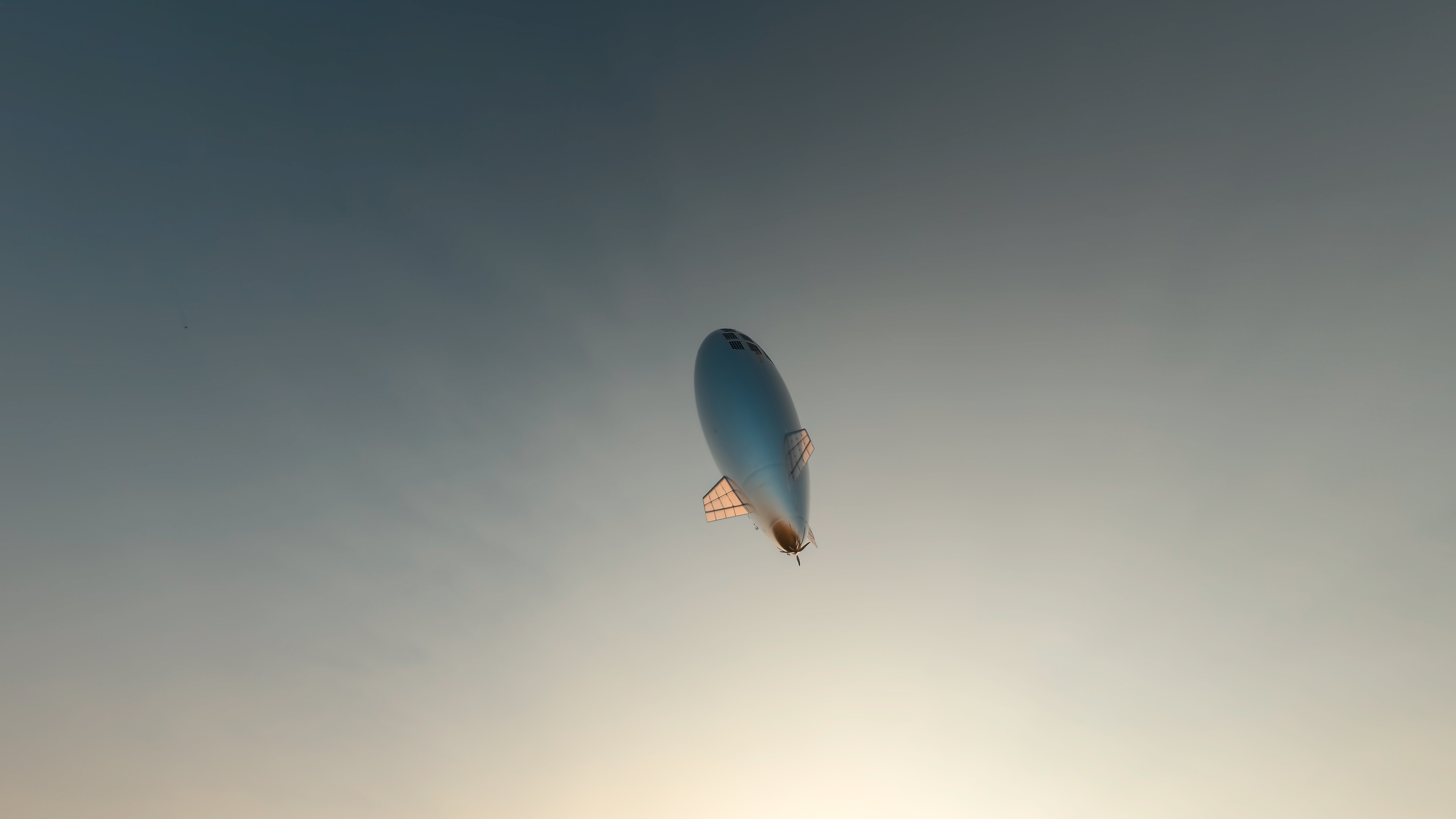
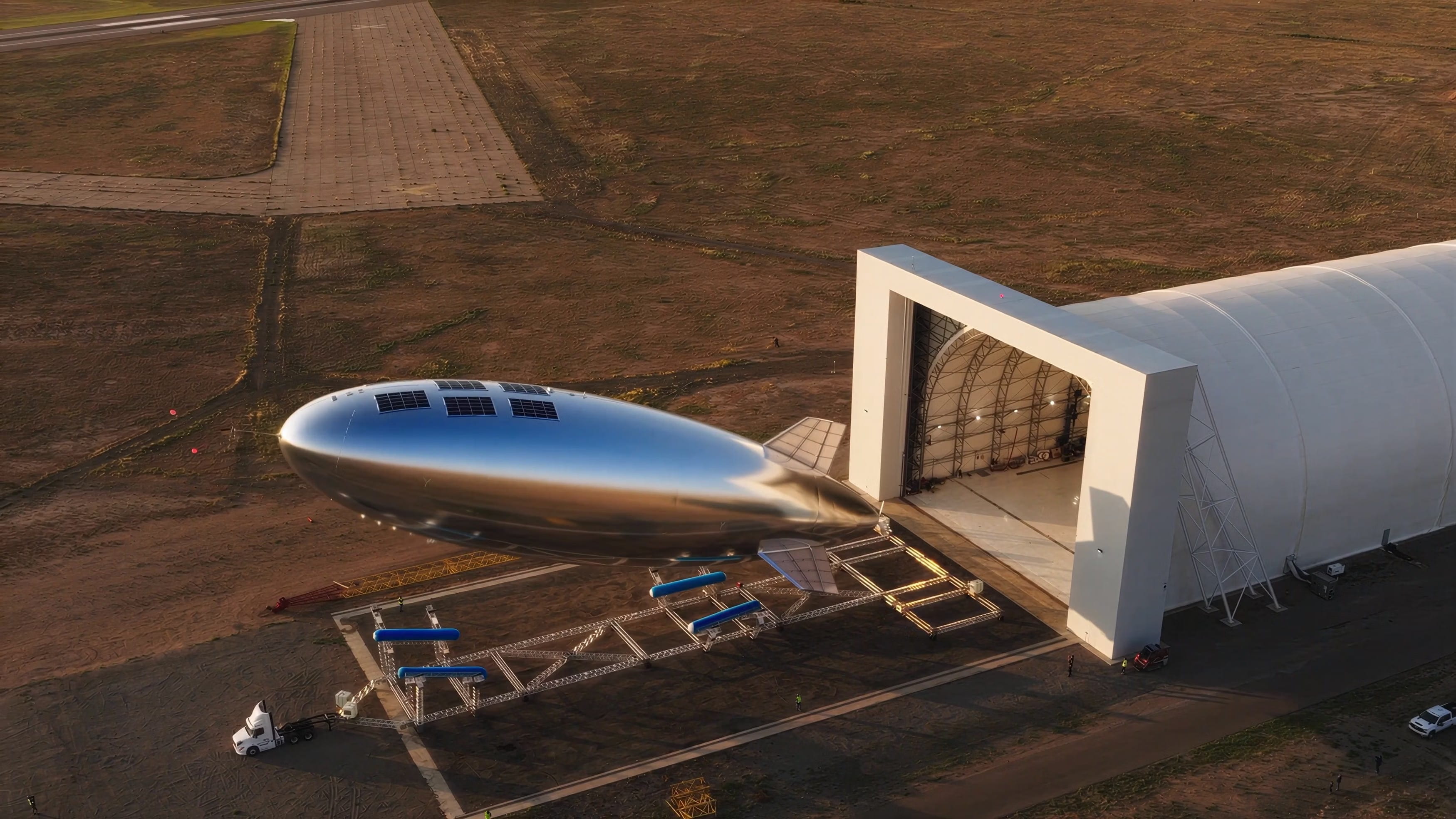
Sceye’s platform is called SceyeBase, and it is a lighter-than-air HAPS. Or more simply put, a “stratospheric platform.” And yes, technically, we are an “Unmanned Free Balloon.” SceyeBase is not an airship, blimp, or zeppelin. This is an important distinction from a form factor, regulatory, and performance perspective.
The stratosphere is the layer of the atmosphere that lies between ~ 15 and 50 kilometers (50,000 to 164,000 feet) above Earth's surface. The stratosphere sits above commercial air traffic, wildlife, and weather phenomena, and its proximity to Earth (25x closer than LEO satellites, 1,800x closer than geostationary satellites) presents significant opportunities to advance various industries, emerging as a new frontier for exploration and innovation.
The stratosphere offers the optimal vantage point: close enough for high-capacity connectivity and observation, yet high enough for wide-area reach. Importantly, the stratosphere offers space-like conditions without the cost of being in space and the disadvantages of being in orbit.
It is only with a layered approach, meaning that ground, air, and space operated in a connected, ubiquitous network, that we will ensure that no one is left behind and that the real-time, always-on and 6G era will become possible.
To understand why the stratosphere is so powerful, it helps to think about the three layers of infrastructure that serve our planet:
- Terrestrial (Ground): Cell towers, fiber networks, and Wi-Fi provide high-capacity connectivity in densely population areas (>100 ppl/km2) but are costly and difficult to deploy in remote regions with lower population density due to geographic and economic constraints.
- Space: Satellites offer global reach but struggle with latency and throughput capacity. To offer persistent coverage, satellites must operate in large constellations and hand over connection as the satellites pass over. Satellites work well when connectivity requirements are for remote users (<2 ppl/km2). This is a direct result of physics – signal loss in free space increases by the square of the distance traveled, meaning the higher the antenna altitude, the lower the population density it can serve.
- Stratospheric (Air): HAPS fill the gap between the ground and space. They can hover over a region for extended periods, providing high-speed, direct-to-device connectivity and real-time high-resolution observation without the latency or cost of satellites. The stratosphere enables the middle layer of connectivity infrastructure, bridging the gap for semi-urban and populated areas.
This makes the stratosphere an ideal environment for communications, sensing, and real-time monitoring applications. Learn more about why we operate in the stratosphere in our blog.
Sceye platforms can support a range of mission-critical commercial and government applications, including:
- Expanding connectivity in underserved or remote regions (learn more)
- Supporting the development of a ubiquitous network and hybrid space architecture (learn more)
- Disaster response, recovery communications and “eye-in-the-sky” capabilities
- Real-time environmental monitoring and climate observation, including tracking real-time methane leaks
- Wildfire mapping, detection, and mitigation
Sceye platforms are designed for long-endurance missions, capable of remaining in the stratosphere for extended periods while staying over a target area, maintaining altitude, and operational capability through day-night cycles. With Sceye’s successful “ST1” flight in summer 2026, the company flew over 30 days from New Mexico to Japan and back and delivered the configuration, operations protocols, and collected the required data to move towards multi-month, and eventually, years-long flights. You can read more here about the flight.
Advances in material science, energy systems, and automation have made Sceye’s work possible. Building on years of R&D by the government and early companies, today’s lightweight, high-strength materials improve durability and helium retention, while high-density batteries and solar panel systems enable continuous operation through full day-night cycles. At the same time, modern avionics and autonomous flight management systems allow SceyeBase to operate reliably at altitude. These technologies, combined with years of iterative flight testing, have transformed stratospheric platforms from experimental concepts into a viable layer of infrastructure.
Sceye acts as a non-terrestrial network layer, or a “cell tower in the sky”, delivering high-speed connectivity at scale directly to unmodified mobile devices and by integrating with existing telecom infrastructure. This enables coverage in areas where traditional ground-based networks are unavailable or disrupted or in denser populations that are not well-served by satellites. Importantly, Sceye can collaborate with satellite connectivity providers, offering a densification strategy (think of it like a signal booster) to expand the coverage capability from LEO constellations.
We offer this capability through SceyeCELL, the first-of-its-kind stratospheric telecom antenna. Learn more about SceyeCELL here.
Yes. One of Sceye’s key advantages is rapid deployment. Platforms can be launched and positioned quickly to restore connectivity, support first responders, and provide real-time data during natural disasters or other emergencies. Ideally, HAPS are even positioned before the start of a season (such as tsunami, hurricane, or wildfire) to map the full area and provide insights to leaders for preventative measures.
Sceye is a New Mexico–based company, with headquarters in Moriarty. Our platforms, which are categorized as unmanned free balloons, launch and ascend freely to the stratosphere, where they operate for extended periods, moving within the stratosphere to the desired location. Once in flight, Sceye’s mission control based in Moriarty manages performance, positioning, and payload operations. At mission completion, Sceye’s HAPS descend freely back to Earth and recovery teams are deployed.
Sceye HAPS are payload agnostic – our platforms are capable of hosting one or multiple payloads based on mission specific requirements. Types of payloads include SceyeCELL, our bespoke stratospheric antenna that can deliver mobile broadband at FCC-defined speeds, or observation and detection payloads that offer a persistent, real-time understanding of conditions across vast landscapes before, during, and after an environmental activity. Operating as instant infrastructure in the sky, HAPS are capable of carrying any single-form or combination of high-precision infrared, hyperspectral, radar, optical, communications, or other payloads.
You can learn more about the payloads we have flown here. If you are interested in a mission with a dedicated payload, please contact us here.
Sceye works with telecom companies, operators, governments, humanitarian organizations, and commercial partners. If you're interested in collaboration, please contact us to explore how Sceye can support your mission.